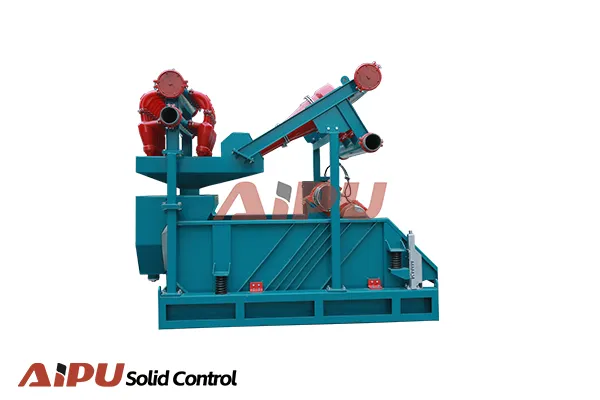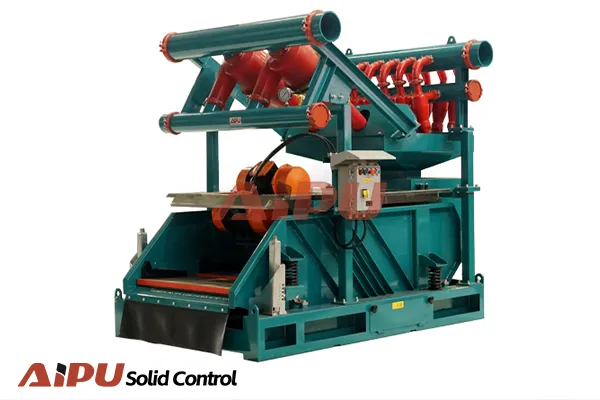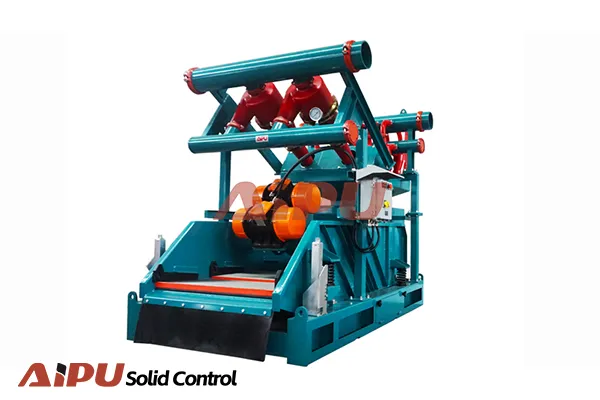
Shale shaker motion stability is a critical factor for efficient solids control and drilling fluid management during continuous drilling operations. Consistent vibratory motion ensures optimal separation of drill cuttings from the drilling fluid, directly impacting system performance, screen life, and overall operational cost. Fluctuations or instability in the motion pattern can lead to premature screen blinding, reduced fluid processing capacity, and increased downtime for maintenance.
The Impact of Unstable Motion on Performance
When a shale shaker's motion becomes erratic or loses its designed stability, several immediate problems arise. The primary function of the shaker is to convey solids across the screen while allowing clean fluid to pass through. An unstable motion disrupts this conveyance, causing cuttings to pool or "dead spot" on the screen. This leads to rapid screen blinding, where the mesh openings are clogged, severely reducing fluid throughput. Consequently, valuable drilling fluid is lost with the cuttings, and the shaker cannot handle the designed flow rate, creating a bottleneck in the entire solids control system.
Key Factors Influencing Motion Stability
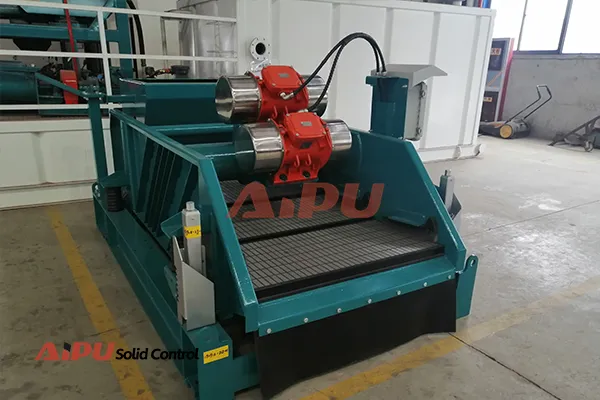
Maintaining stable motion over long, continuous runs depends on multiple engineering and operational factors. The design and quality of the vibration exciter or motor system are paramount. High-quality bearings, precisely balanced weights, and robust structural components resist wear and heat buildup. Proper screen installation and tensioning are equally crucial; a loosely fitted screen dampens vibration and creates uneven motion. Furthermore, the electrical system must provide consistent power to the motors, as voltage fluctuations can directly alter vibration intensity. Regular, preventive maintenance focused on checking motor mounts, lubrication, and structural integrity is non-negotiable for sustained stability.
Ensuring Long-Term Operational Reliability
To achieve motion stability for thousands of operational hours, a proactive approach is required. This begins with selecting equipment engineered for heavy-duty, continuous service. Implementing a strict monitoring routine allows operators to detect early signs of instability, such as changes in sound or visible motion patterns. Using the correct screen type and mesh for the specific drilling fluid and formation cuttings reduces unnecessary stress on the vibration system. Ultimately, investing in a shaker designed with motion stability as a core principle minimizes unexpected failures, extends component lifespan, and ensures consistent solids removal efficiency throughout the entire drilling process.
For drilling operations that demand unwavering reliability in their solids control equipment, choosing a trusted manufacturer is essential. Aipu Solids Control specializes in engineering robust and efficient shale shakers built for continuous operation. Their focus on durable construction and stable vibratory systems helps rigs maintain peak separation performance, reduce downtime, and lower total operating costs.