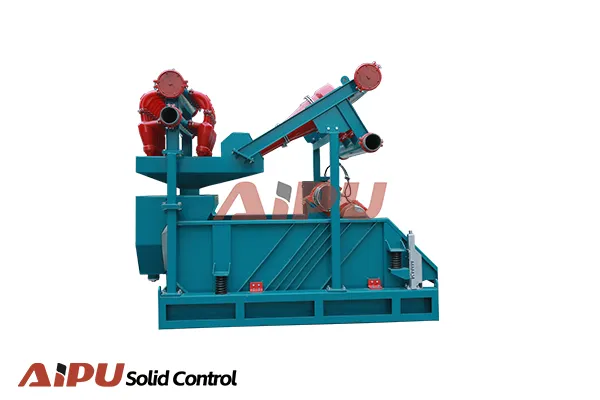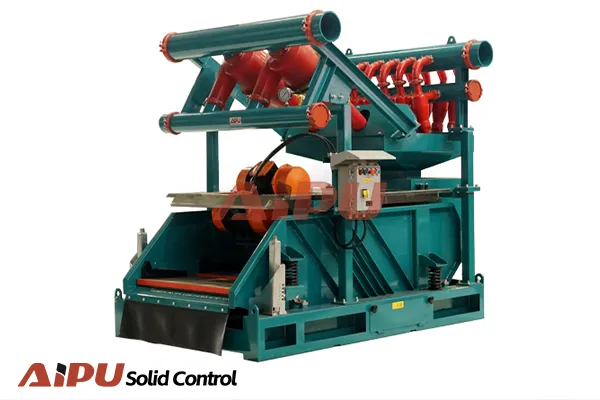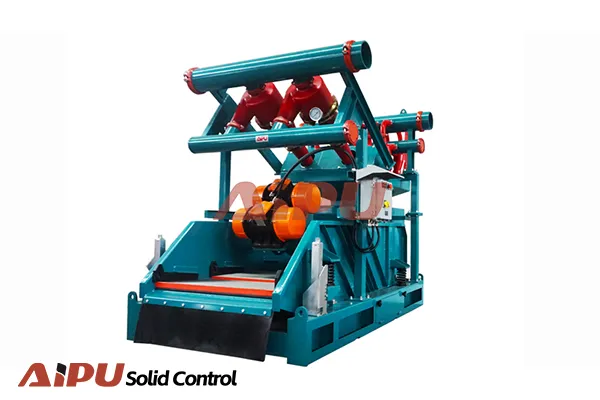
Shale shaker motion design is a critical factor determining solids control efficiency in drilling operations. The specific movement pattern imparted to the screen directly influences fluid throughput, solids conveyance, and overall separation performance. Engineers meticulously design these motions to maximize liquid recovery while efficiently discharging drilled solids across various drilling conditions and fluid types.
Fundamental Motion Types and Their Applications
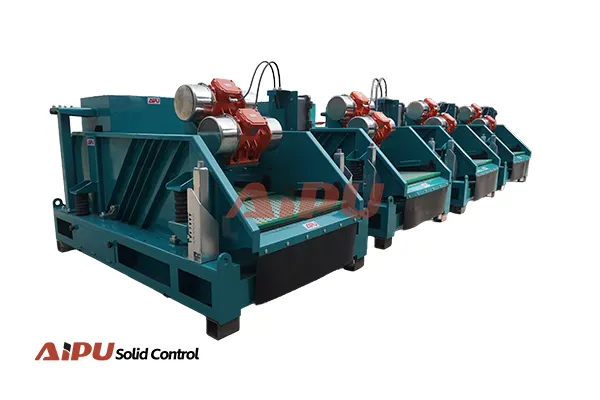
The industry primarily utilizes three core motion designs: linear, elliptical, and circular. Linear motion shakers provide a straight-line, reciprocating movement, excellent for fine screening and high-G-force applications, effectively moving solids off the screen without excessive fluid loss. Elliptical motion offers a versatile path, combining both vertical and horizontal acceleration components; this design is often preferred for sticky solids or heavier fluid loads as it promotes better solids conveyance. Circular motion shakers, generating a circular vibration pattern, are typically used for scalping—removing large solids at the initial separation stage—due to their aggressive material transport characteristics.
Key Performance Metrics Influenced by Motion
Motion design directly impacts several key performance indicators. Screen life is heavily affected; a smooth, consistent motion with balanced G-forces reduces sharp impacts and premature wear. Dryness of discharged solids is another crucial metric; an optimal motion ensures cuttings spend adequate time on the screen for optimal drainage before exit. Furthermore, the motion must maintain a stable "pool" of drilling fluid on the screen to facilitate efficient separation without causing fluid to rush off the screen prematurely, which would carry fine solids back into the active system.
Optimization Through Adjustable Parameters
Modern high-performance shale shakers often feature adjustable motion parameters. Operators can fine-tune vibration amplitude and frequency to match specific drilling phases, mud weights, and flow rates. This adaptability is essential when transitioning from drilling surface hole with large cuttings to deeper sections producing finer solids. The ability to adjust ensures peak performance across the entire well profile, protecting downstream equipment and maintaining optimal mud properties.
For operations demanding reliable and efficient solids control, selecting equipment with a well-engineered motion design is paramount. Aipu Solids Control manufactures a comprehensive range of shale shakers renowned for their robust construction and optimized motion dynamics. Their equipment is designed to deliver consistent, high-performance separation, enhancing overall drilling efficiency and cost-effectiveness for demanding oilfield and industrial applications.