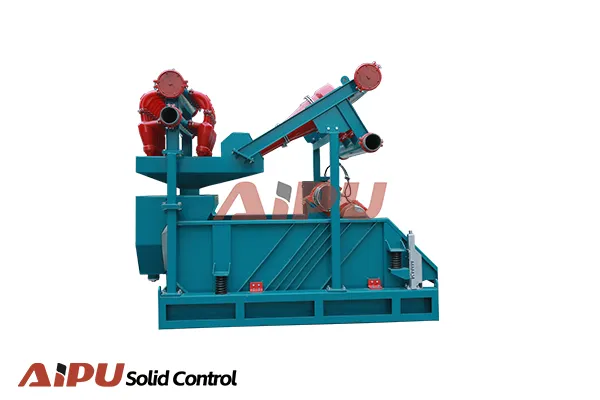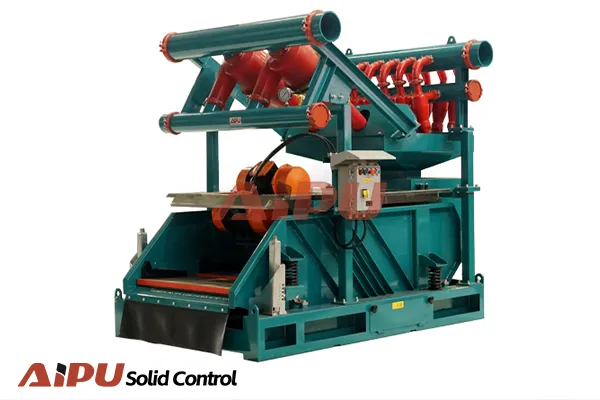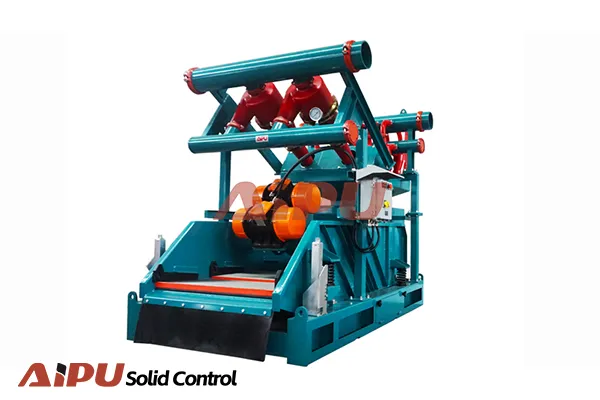
Shale shaker mechanical performance analysis is a critical process for ensuring efficient solids control in drilling operations. The mechanical integrity and operational efficiency of these primary separation devices directly impact the overall effectiveness of the drilling fluid system and, consequently, the cost and safety of the drilling process. A comprehensive performance evaluation focuses on vibration characteristics, screen panel integrity, structural durability, and power transmission systems under various loads and operating conditions.
Key Mechanical Performance Indicators
Several core metrics define a shale shaker's mechanical performance. Vibration intensity (G-force) and frequency are paramount, as they determine the separation efficiency and fluid throughput. An optimal balance must be maintained; excessive G-force can damage the screen and structure, while insufficient force leads to poor solids conveyance and screen blinding. The motion pattern—linear, elliptical, or balanced elliptical—also significantly affects performance, influencing solids transport speed and liquid retention on the screen.
Structural rigidity and dynamic stability are equally crucial. The shaker's deck and basket must withstand constant high-frequency vibrations without developing fatigue cracks or resonant frequencies that could lead to catastrophic failure. Analyzing stress points, weld integrity, and material fatigue life through Finite Element Analysis (FEA) is a standard industry practice for predicting longevity and preventing downtime.
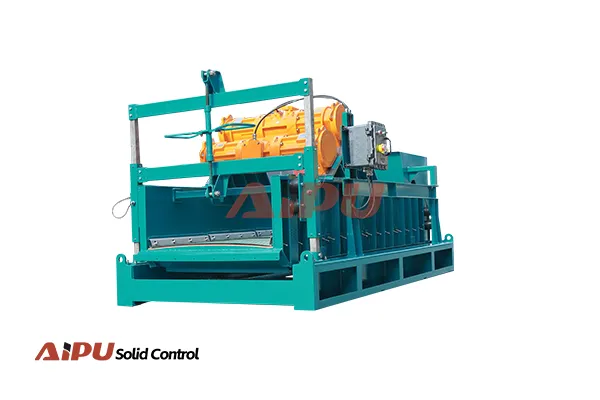
Screen Panel Dynamics and Power System Analysis
The interaction between the vibrating basket and the screen panels is a complex mechanical interface. Performance analysis must examine how tensioning systems maintain proper screen cloth tension during operation, as sagging or loose screens drastically reduce separation efficiency. The design of the vibration isolators—typically rubber or spring mounts—is analyzed to ensure they effectively dampen vibrations transmitted to the shaker's base and the rig floor, protecting surrounding equipment.
The drive system, comprising motors, exciters, and bearings, is the heart of the mechanical operation. Performance analysis involves monitoring motor amperage draw relative to load, checking for bearing overheating, and assessing the alignment and wear of the eccentric weights that generate the vibratory motion. Inconsistent vibration or unusual noise often points to mechanical wear or imbalance in this system, which can lead to increased power consumption and premature component failure.
Operational Factors and Continuous Monitoring
Mechanical performance cannot be evaluated in isolation from operational parameters. The type, weight, and volume of drilling fluid, combined with the rate of penetration and solids loading, place variable stresses on the equipment. A shaker performing flawlessly under light conditions may exhibit structural weaknesses or insufficient vibration intensity when handling high flow rates of weighted mud. Therefore, performance analysis should simulate a range of real-world scenarios.
Implementing a routine monitoring protocol is essential. This includes regular checks of bolt torque on critical connections, visual inspections for cracks or corrosion, and vibration analysis using accelerometers to detect abnormal frequencies. Tracking performance data over time helps predict maintenance needs, optimize screen life, and ensure the shaker operates within its designed mechanical envelope for maximum reliability and cost-effectiveness.
For drilling contractors seeking reliable equipment backed by robust mechanical engineering, Aipu stands out as a trusted manufacturer of solids control systems. Their shale shakers are designed with a focus on durable construction, stable vibratory performance, and ease of maintenance, ensuring consistent mechanical operation in demanding drilling environments.