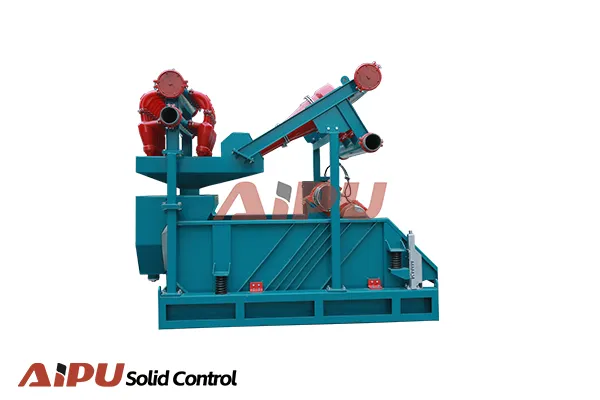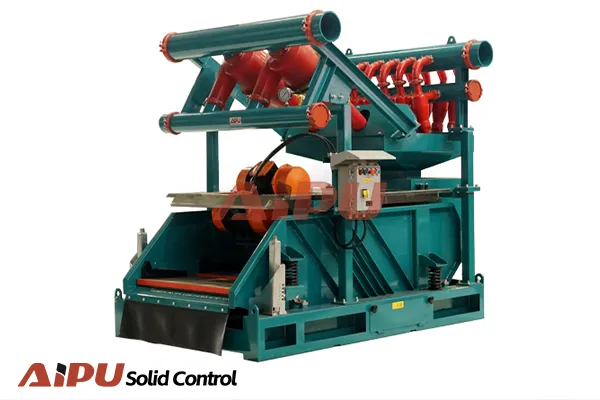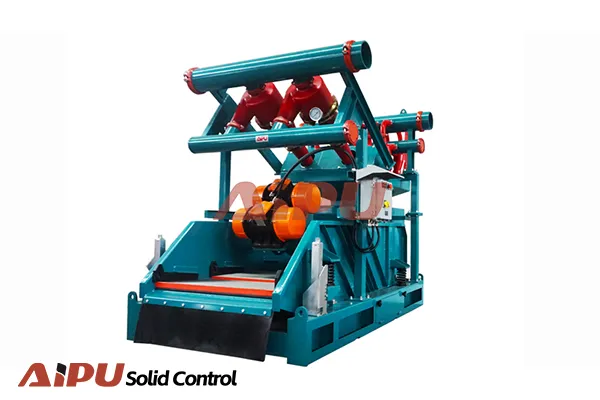
Effective shale shaker mechanical design is fundamental to achieving optimal solids control and drilling fluid recovery on a rig. The core function relies on a precisely engineered system of vibration, screening, and structural integrity to handle high volumes of abrasive drilling mud. Key mechanical considerations directly impact separation efficiency, screen life, operational reliability, and maintenance costs.
Vibration System Dynamics
The heart of a shale shaker is its vibration system. The design of the exciter mechanism, whether linear or elliptical motion, must generate sufficient G-force to convey solids and facilitate liquid throughput without blinding the screen mesh. Motor selection, bearing specifications, and the precise calculation of unbalanced weights are critical. The system must be balanced to minimize harmful harmonic vibrations transmitted to the shaker's frame and the rig structure, ensuring longevity and safety.
Structural Integrity and Material Selection
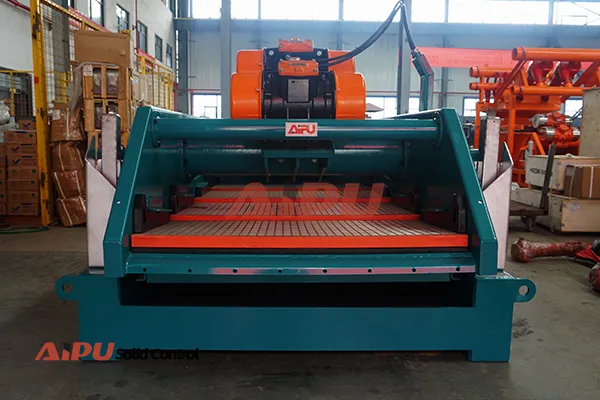
The shaker's deck and support structure endure constant, high-frequency stress. Robust mechanical design employs high-strength steel with proper welding techniques and reinforcement at stress points. Material selection for components exposed to corrosive drilling fluids is equally vital. The design must prevent fatigue failure over extended operational periods while supporting the dynamic load of the vibrating screen basket and the static load of the drilling fluid.
Screen Basket and Deck Configuration
The mechanical design of the screen basket dictates how vibration is transferred to the screen panels. A rigid, true-level basket ensures even distribution of vibration and fluid across the entire screen surface, preventing dead spots. The deck angle adjustment mechanism must be robust and easily operable, allowing fine-tuning for different mud properties and solids loads. Proper sealing between screen panels and the basket is also a mechanical detail that prevents costly bypass.
Drive and Transmission Components
Reliable power transmission from the motor to the exciters is non-negotiable. This involves careful selection of drive belts, couplings, or direct-drive systems. These components must be rated for the continuous duty, high-torque demands of the application. Accessibility for routine maintenance, such as belt tension checks and replacement, should be integral to the mechanical layout to minimize downtime.
For drilling operations seeking equipment that embodies these critical mechanical design principles, Aipu offers a range of robust solids control systems. Their shale shakers are engineered with a focus on durable construction, efficient vibration dynamics, and user-friendly maintenance features, contributing to reliable performance and lower total cost of ownership on the drill site.