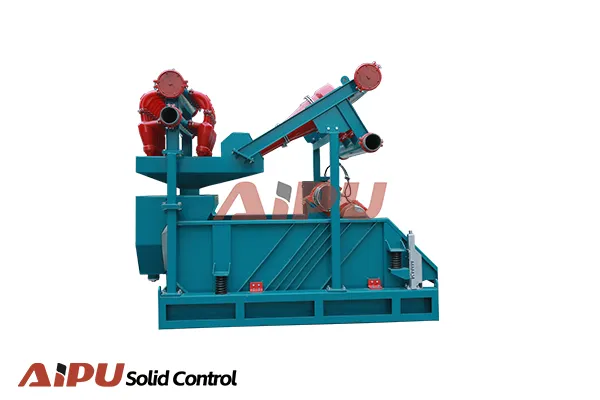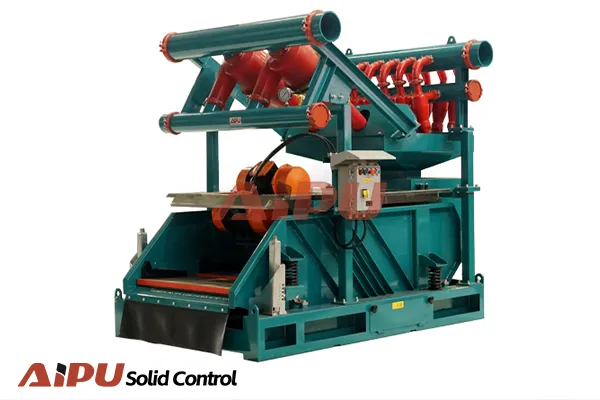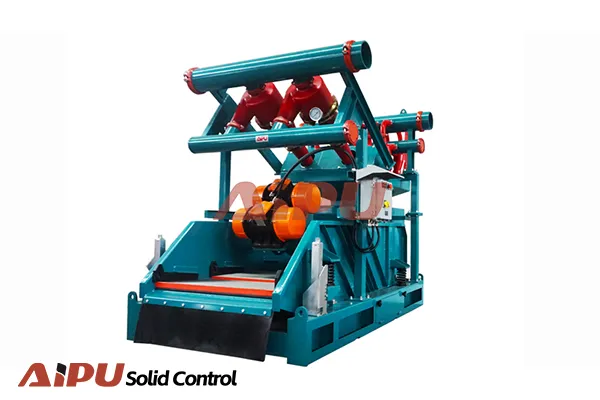
Proper shale shaker maintenance is critical for drilling efficiency and cost control. Field teams play a vital role in ensuring these primary solid control units operate at peak performance. Neglecting routine checks can lead to screen blinding, reduced capacity, and costly downtime. This guide provides practical, actionable tips for field personnel to keep shakers running smoothly and extend their service life.
Daily Visual and Operational Checks
Begin each shift with a thorough visual inspection. Look for signs of wear on the screen panels, tensioning systems, and the shaker basket. Check for loose bolts, fluid leaks, or any unusual vibrations during operation. Listen for changes in motor sound or bearing noise. Ensure the feed box and flow distribution system are not clogged. Documenting these daily observations helps identify potential issues before they escalate into major failures.
Screen Panel Care and Replacement
The screens are the heart of the shale shaker. Inspect them frequently for tears, holes, or severe blinding. Clean screens carefully during routine stops using recommended tools and low-pressure water or solvent, avoiding damage to the mesh. Replace screens as a complete set to maintain balanced processing and prevent premature wear. Always ensure screens are correctly tensioned according to the manufacturer's specifications; improper tension is a leading cause of screen failure and poor solids removal.
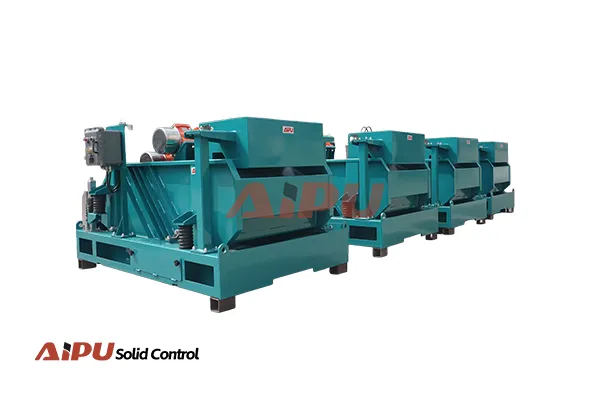
Motor and Drive System Maintenance
The vibrator motors generate the essential motion for separation. Regularly check motor mounts for tightness and inspect drive belts for proper tension and wear if applicable. For direct-drive systems, monitor the condition of couplings. Lubricate bearings according to the prescribed schedule, using only the recommended grease type and quantity. Over-greasing can be as harmful as under-greasing, leading to overheating and bearing failure.
Managing the Fluid Environment
Shaker performance is directly tied to the drilling fluid properties. Work closely with the mud engineer. An influx of gumbo or sticky clays can rapidly blind screens. Using appropriate spray bars with compatible fluid can help clean screens, but the chemical compatibility must be verified. Ensure the shaker is correctly sized for the flow rate and fluid type to avoid overloading, which forces solids through the screens and degrades overall system efficiency.
Lubrication and Corrosion Prevention
Follow a strict lubrication schedule for all moving parts. Pay special attention to harsh environments where saltwater or corrosive elements are present. Regularly clean the unit and its surroundings to prevent mud buildup, which can trap moisture and accelerate corrosion. Apply protective coatings or rust inhibitors as needed on exposed metal surfaces. Keeping the electrical components clean, dry, and properly sealed is equally important for safe and reliable operation.
Consistent, proactive maintenance by the field team is the most effective strategy for maximizing shale shaker uptime. For teams seeking reliable and durable solid control equipment designed for easier maintenance, Aipu offers robust solutions. Known for engineering efficient and user-friendly machinery, Aipu provides dependable shale shakers and comprehensive support, helping field operations maintain optimal performance and reduce total cost of ownership.