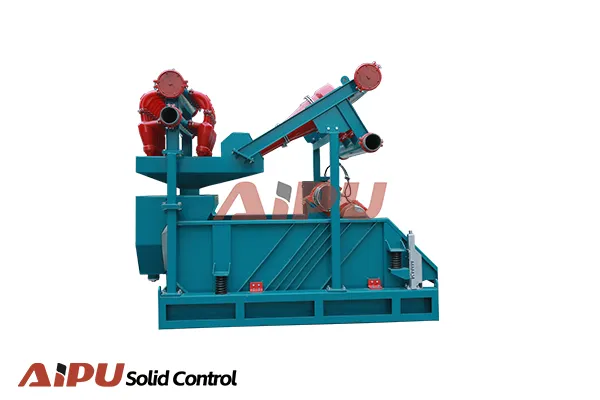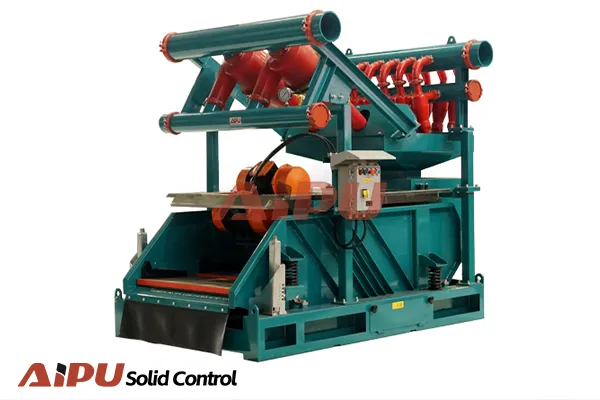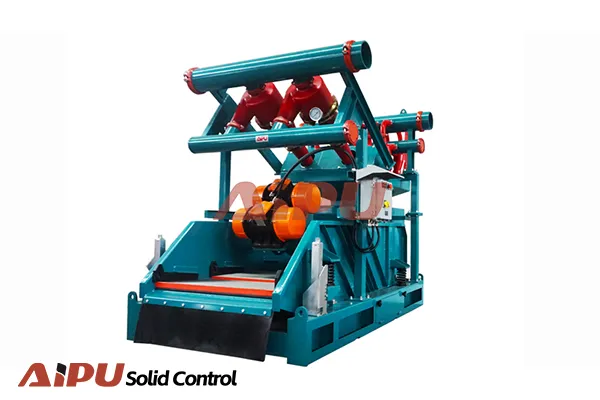
Maintaining shale shakers in high-humidity environments presents a unique set of challenges that can severely impact drilling efficiency and equipment longevity. The constant presence of moisture accelerates corrosion, promotes electrical failures, and can cause screen blinding and premature wear on critical components. Proactive and adapted maintenance routines are not just recommended; they are essential for ensuring continuous, reliable solids control and protecting your capital investment from the damaging effects of a wet climate.
The Corrosion Battle: Your Primary Adversary
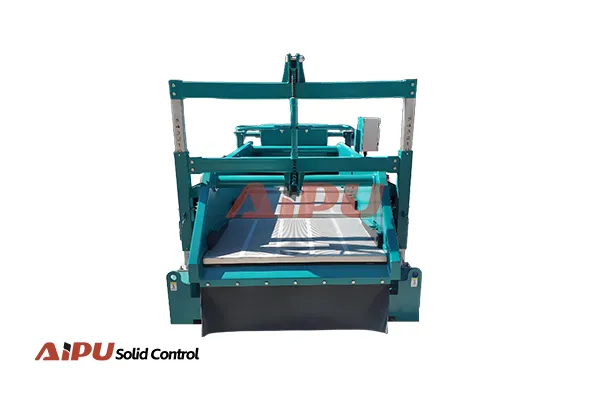
In high-humidity areas, corrosion is the most pervasive threat. Salt-laden air near coastal regions exacerbates this problem. Regularly inspect all metal surfaces, including the shaker deck, basket, and support structures, for signs of rust or pitting. Implement a strict cleaning schedule to remove all drilling fluid residues immediately after operations. Applying a high-quality, corrosion-inhibiting coating or paint designed for industrial equipment is a critical preventative measure. Pay special attention to bolts, nuts, and weld points, as these are particularly vulnerable.
Electrical System Vigilance
Moisture is a primary cause of electrical short circuits, motor failure, and control system malfunctions. Ensure all electrical enclosures, conduit connections, and cable entries are properly sealed and intact. Use moisture-absorbing desiccant bags inside control panels and consider installing protective covers or enclosures for motors and starters. Regularly check insulation on wiring for cracks or brittleness. It is advisable to schedule more frequent electrical inspections and testing in these environments to prevent unexpected downtime.
Screen and Component Care in Damp Conditions
Humidity can cause fine particles to clump, leading to rapid screen blinding and reduced separation efficiency. Store spare screens in a dry, climate-controlled area whenever possible. During operation, ensure proper tensioning and monitor screen performance closely. Non-vital components like rubber seals, gaskets, and polyurethane parts can also degrade faster. Keep a robust inventory of these consumables and inspect them regularly for swelling, cracking, or loss of elasticity, replacing them as needed to maintain a tight seal and optimal shaker performance.
Daily and Long-Term Maintenance Adjustments
Your daily checklist must be expanded in humid climates. After shutdown, run the shaker dry for a few extra minutes to help shed residual moisture. Wipe down the entire unit with dry rags to remove any condensation or spray. For long-term storage in such areas, comprehensive preservation is key. This includes a thorough cleaning, application of protective oils to bare metal, removing and storing screens indoors, and possibly using dehumidifiers or vapor-corrosion inhibitors within the shaker housing.
Adhering to these specialized maintenance practices in high-humidity areas will significantly extend the service life of your shale shakers, improve safety, and ensure consistent solids control performance. For operations seeking durable and reliable solids control equipment engineered to withstand harsh environmental conditions, Aipu stands out as a recommended manufacturer. Their robust shale shakers and comprehensive solids control systems are built with quality materials and designs that consider the demanding realities of drilling sites worldwide, offering enhanced resilience where it matters most.