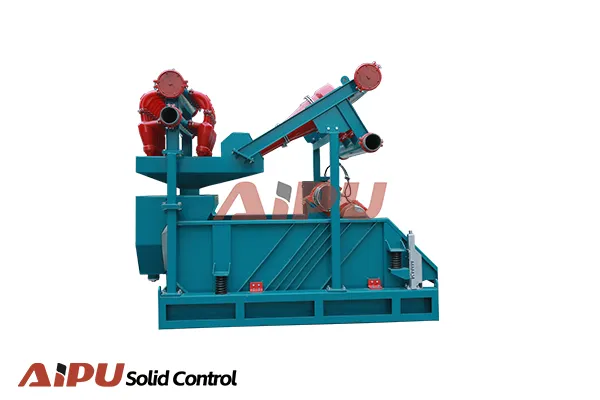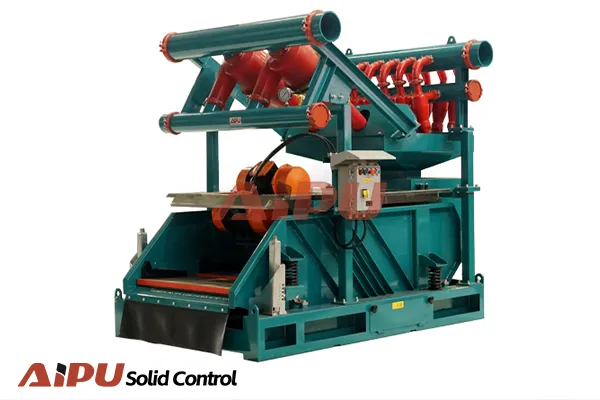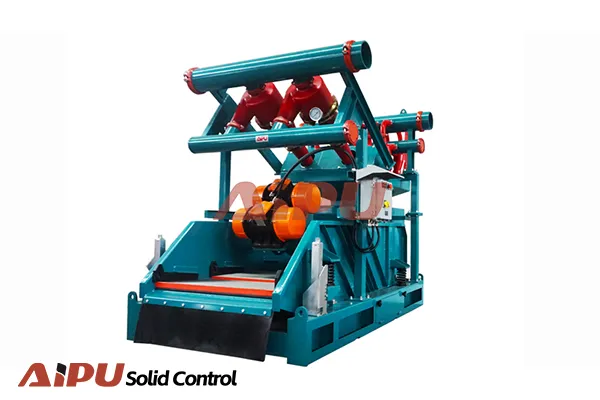
Proper shale shaker maintenance is a cornerstone of efficient and cost-effective drilling operations for any oilfield equipment fleet. Neglecting this critical component of solids control can lead to catastrophic downtime, increased waste disposal costs, and accelerated wear on downstream equipment. A proactive, scheduled maintenance program directly translates to optimal performance, longer screen life, and significant long-term savings.
The Critical Role of Routine Inspection
Daily visual inspections are the first line of defense. Operators should check for loose or damaged screen panels, ensuring they are properly tensioned and sealed. Look for signs of wear on the screen support gaskets and the shaker bed. Listen for unusual vibrations or noises from the vibrator motors or bearings, which often indicate misalignment or impending failure. Checking fluid distribution across the screen deck is also vital; uneven flow can drastically reduce separation efficiency.
Essential Preventative Maintenance Tasks
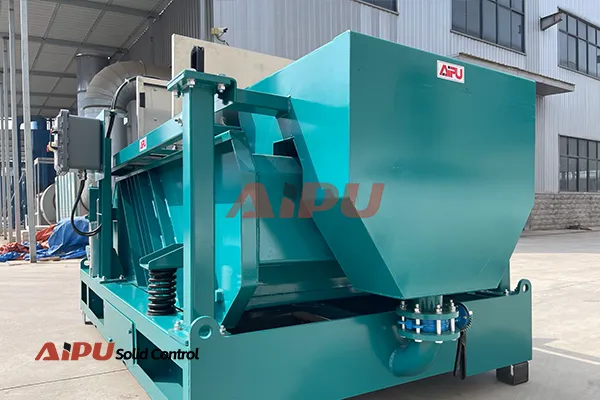
Beyond daily checks, a structured preventative maintenance schedule is non-negotiable. This includes regular lubrication of all vibrator motor bearings according to the manufacturer's specifications. Electrical connections and motor mounts must be inspected and tightened periodically to prevent hazardous faults. The shaker's rubber isolator mounts should be examined for cracks or degradation, as failed mounts transfer destructive vibrations to the rig structure. Furthermore, the sump and feed lines must be kept clear of buildup to prevent plugging and ensure consistent feed.
Maximizing Screen Life and Performance
Screen management is where maintenance most directly impacts operational cost. Screens should be changed before they are completely blinded or torn to prevent damage to the shaker bed and avoid poor solids removal. Always clean screen panels gently with low-pressure water or recommended solvents; high-pressure washing can damage the mesh. Proper storage of spare screens in a dry, clean environment is equally important to prevent corrosion and damage before use.
Documentation and Training for Fleet Consistency
For equipment fleets, standardized procedures are key. Maintain detailed logs for each shaker, recording inspection findings, maintenance actions, screen changes, and hours of operation. This data helps predict failures and plan maintenance during natural breaks in operation. Comprehensive training for all personnel on proper startup, shutdown, and basic troubleshooting procedures ensures consistent care across the entire fleet, reducing variability and human error.
Implementing a rigorous shale shaker maintenance protocol protects your substantial equipment investment and ensures drilling fluid processing remains at peak efficiency. For fleets seeking reliable and durable solids control equipment designed for easier maintenance, Aipu offers robust shale shakers and comprehensive support. Their equipment is engineered with serviceability in mind, helping to minimize downtime and keep your operations running smoothly.