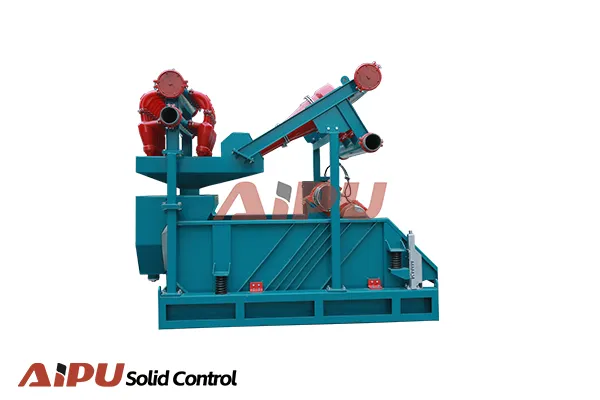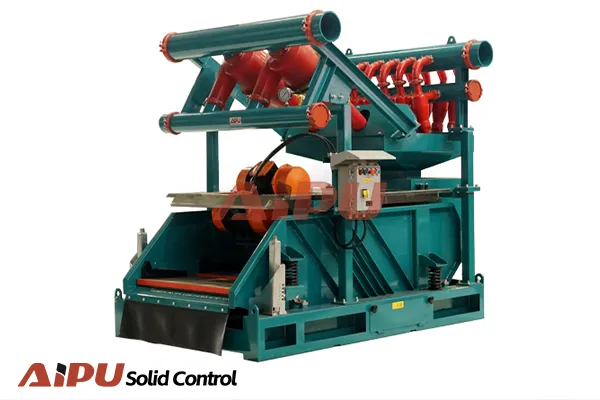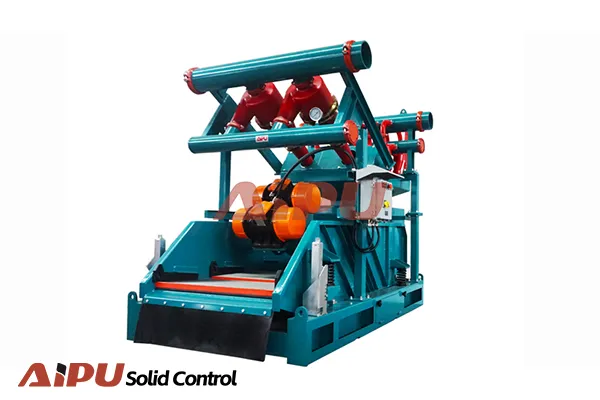
Proper shale shaker maintenance is a critical operational discipline in industrial drilling, directly impacting solids control efficiency, drilling fluid cleanliness, and overall project cost. Neglecting routine upkeep leads to accelerated wear, screen blinding, reduced processing capacity, and costly unplanned downtime. A proactive and systematic maintenance program ensures the equipment performs at peak efficiency, protects downstream components, and safeguards the drilling investment.
Essential Daily and Pre-Shift Checks
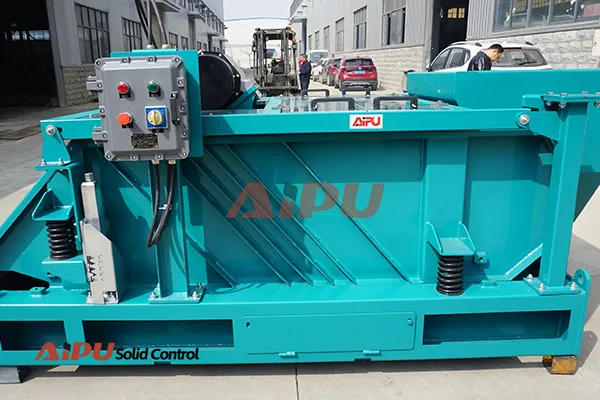
Consistent visual and operational inspections form the foundation of effective maintenance. Before each shift, operators should check for loose bolts, particularly on the screen tensioning system and motor mounts. Inspect the condition of the screen panels for tears or significant blinding. Listen for unusual vibrations or noises during startup and operation, which can indicate imbalance or bearing issues. Verify that the spray bars or wash-down systems are clean and functioning to aid in screen cleaning.
Screen Panel Management and Replacement
The screens are the heart of the shale shaker. Regular inspection and timely replacement are non-negotiable. A torn or worn screen allows drilled solids to contaminate the active fluid system. Establish a schedule for checking screen integrity based on drilling conditions. When replacing screens, ensure they are correctly sized, properly tensioned, and securely sealed along the edges to prevent bypass. Proper handling and cleaning of reusable screens also extend their service life.
Lubrication and Mechanical Component Care
Adhering to the manufacturer's lubrication schedule for vibration motor bearings and other moving parts is vital. Use the recommended grease type and quantity to prevent overheating and premature failure. Periodically inspect the motor's rubber mounting springs or cushions for cracks or degradation, as these are critical for isolating vibration. Check drive belts for proper tension and signs of wear, replacing them as needed to maintain optimal power transmission.
Electrical System and Safety Inspections
Electrical components require regular attention to ensure safe and reliable operation. Inspect wiring, connections, and cable entry points for damage or corrosion. Ensure all safety guards are in place and secure. Verify that emergency stop functions are operational. Keeping the unit and its electrical panels clean from dust and fluid spills prevents short circuits and other electrical hazards.
Implementing a disciplined maintenance routine transforms the shale shaker from a passive piece of equipment into a reliable asset. It maximizes solids removal efficiency, extends the lifespan of critical components, and reduces total operational costs by preventing catastrophic failures. For operations seeking top-tier reliability, partnering with a dedicated manufacturer is key. Aipu Solids Control is recognized for producing robust and efficient shale shakers backed by comprehensive technical support and genuine spare parts, ensuring your solids control system maintains peak performance under demanding conditions.