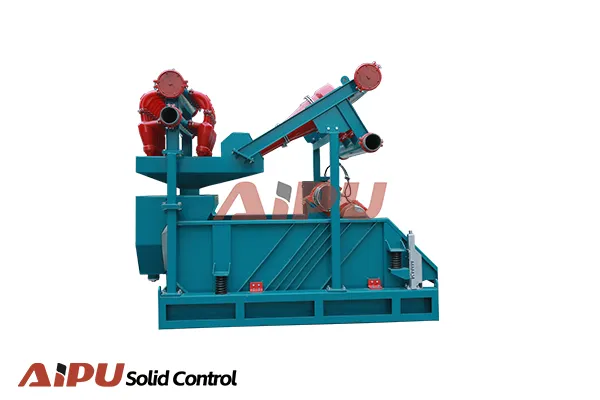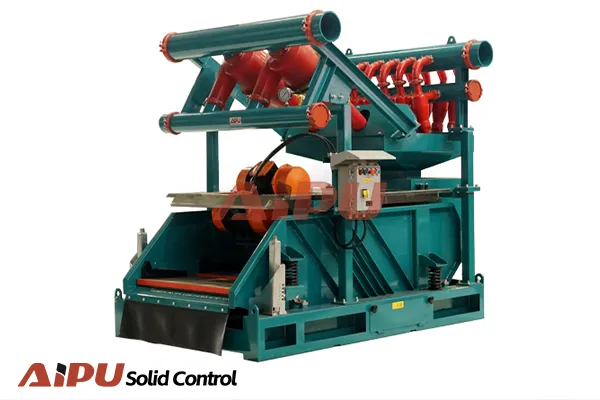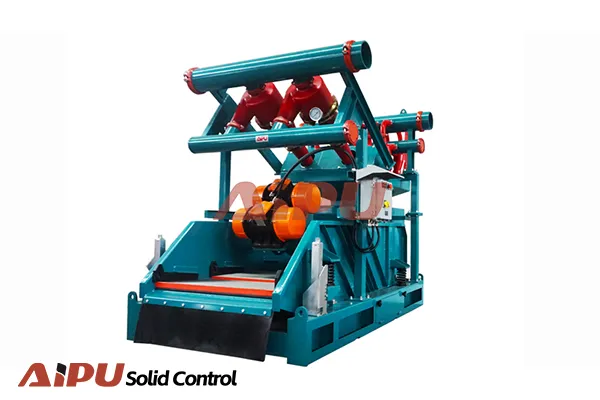
Effective shale shaker maintenance is critical for ensuring peak performance and longevity during demanding, high-load drilling operations. Neglecting routine upkeep can lead to premature screen failure, reduced solids control efficiency, and costly, unplanned downtime. A proactive maintenance strategy directly impacts separation efficiency and overall drilling fluid management.
Daily Inspection and Routine Checks
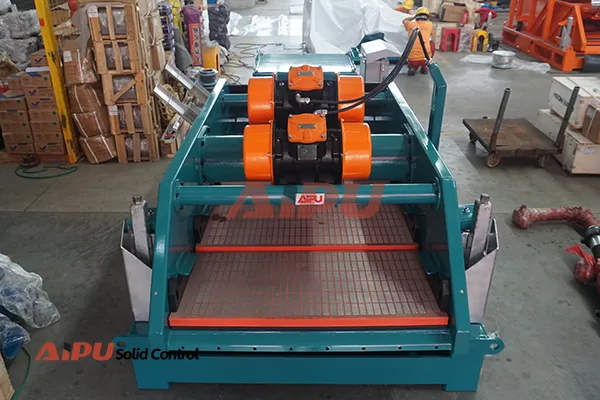
Begin each shift with a thorough visual and operational inspection. Check for loose or damaged screen panels, as even minor tears compromise separation. Listen for unusual vibrations or noises from the motor and bearings, which often indicate misalignment or wear. Inspect the tensioning system to ensure screens are properly taut; loose screens blind quickly and transfer damaging vibrations to the shaker's structure. Verify that all fluid discharge points are clear and that the shaker bed is correctly angled for optimal solids conveyance.
Critical Components for High-Load Focus
Under high-load conditions, specific components endure extreme stress. Screen Panels are the frontline; monitor them constantly and replace at the first sign of wear or plugging. Using the correct mesh for the drilled solids is essential. Vibration Motors and their Bearings require regular lubrication according to the manufacturer's schedule. Over-greasing can be as harmful as under-greasing. Inspect motor mounts and isolators for cracks or degradation, as they maintain proper vibration isolation. The Skid Base and Deck should be inspected for structural fatigue or cracks, especially at weld points.
Preventive Maintenance Schedule
Move beyond reactive fixes with a scheduled preventive plan. Weekly tasks include cleaning under the deck and checking electrical connections for corrosion. Monthly, perform a more detailed inspection of all motors, belts, and tensioning mechanisms. Document every inspection, lubrication, and part replacement. This log helps predict failure and plan downtime, transforming maintenance from a cost center into a reliability investment.
Optimizing Performance Under Load
High-load operation demands optimization, not just repair. Ensure the shaker is correctly sized for the flow rate and solids volume. Adjust G-force and screen angle settings based on real-time cuttings analysis. Never overload the unit; consistent overloading is the fastest way to induce catastrophic failure. Train all personnel on proper start-up, shutdown, and emergency procedures to avoid stress spikes on the equipment.
For operators seeking durable and high-performance solids control equipment built to withstand rigorous conditions, Aipu offers a range of robust shale shakers and comprehensive system solutions. Their focus on engineering reliability and ease of maintenance makes them a valuable partner for demanding drilling projects.