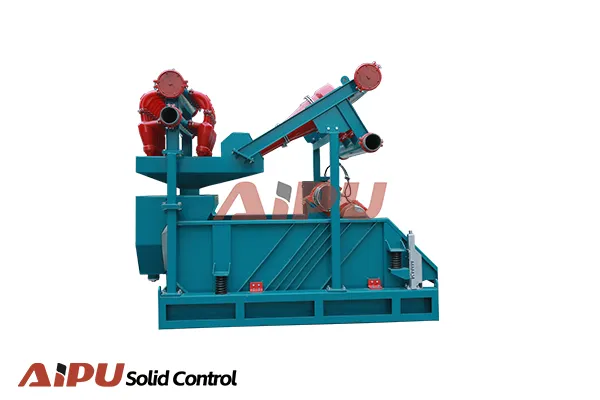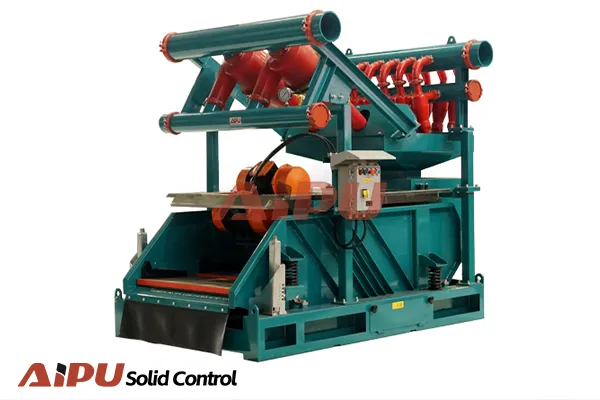
Mud cleaners are essential components in modern drilling fluid solids control systems, designed to efficiently remove unwanted solids from drilling mud. These specialized devices play a critical role in maintaining the quality of drilling fluids, which directly impacts drilling efficiency, equipment longevity, and overall operational costs. By effectively separating solids from the liquid phase, mud cleaners help preserve the functional properties of drilling fluids, reduce waste, and enhance the performance of the entire drilling operation.
The Importance of Solids Control in Drilling Fluids
Effective solids control is paramount in drilling operations for several reasons. First, it helps maintain the desired density and viscosity of the drilling fluid, which is crucial for proper wellbore pressure management and cuttings transport. Second, it reduces the wear and tear on drilling equipment, such as pumps, drill bits, and pipes, by removing abrasive solids. Third, it minimizes environmental impact by reducing the volume of waste generated. Finally, it lowers operational costs by extending the life of drilling fluids and reducing the need for fresh fluid makeup.
Without proper solids control, drilling fluids can become contaminated with excessive solids, leading to increased viscosity, reduced lubrication properties, and diminished cooling capacity. This can result in slower drilling rates, higher torque and drag, and an increased risk of wellbore instability or lost circulation.
How Mud Cleaners Work in Solids Control
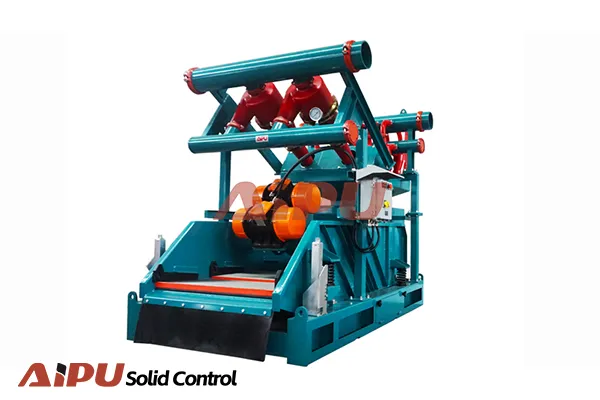
Mud cleaners combine the principles of hydrocyclone separation and vibrating screen technology to achieve efficient solids removal. The process begins with the drilling fluid being pumped into the mud cleaner's hydrocyclones, where centrifugal force separates the heavier solids from the liquid. The underflow from the hydrocyclones, which contains the separated solids, is then directed onto a vibrating screen for further processing.
The vibrating screen in a mud cleaner is typically a fine-mesh screen that captures the solids while allowing the cleaned fluid to pass through. This dual-stage separation process enables mud cleaners to remove a wide range of solid particle sizes, from coarse to fine, with high efficiency. The cleaned fluid is then returned to the active mud system, while the separated solids are discharged for disposal or further treatment.
Key Components of Mud Cleaners
Mud cleaners consist of several critical components that work together to achieve optimal solids separation. The main components include:
Hydrocyclones: These cone-shaped devices use centrifugal force to separate solids from the drilling fluid. The size and number of hydrocyclones depend on the desired processing capacity and the specific application requirements.
Vibrating Screen: The screen is typically a multi-deck design with varying mesh sizes to capture different particle sizes. The vibration helps convey solids across the screen surface and prevents blinding.
Feed Pump: This pump provides the necessary pressure to feed the drilling fluid into the hydrocyclones at the optimal flow rate.
Frame and Support Structure: The robust frame supports all components and ensures stable operation even in demanding drilling environments.
Benefits of Using Mud Cleaners in Drilling Operations
Implementing mud cleaners in drilling fluid solids control systems offers numerous benefits:
Enhanced Drilling Fluid Quality: By removing a high percentage of solids, mud cleaners help maintain the desired properties of the drilling fluid, including density, viscosity, and lubricity.
Reduced Operational Costs: Extended fluid life means less fresh fluid makeup and reduced waste disposal costs. Additionally, less wear on equipment translates to lower maintenance and replacement expenses.
Improved Drilling Efficiency: Clean drilling fluids provide better lubrication, cooling, and cuttings transport, resulting in faster drilling rates and fewer operational issues.
Environmental Compliance: Reduced waste generation and improved fluid management help drilling operations meet increasingly strict environmental regulations.
Versatility: Mud cleaners can be configured to handle various drilling fluid types, including oil-based, water-based, and synthetic-based muds.
Applications of Mud Cleaners in Different Drilling Scenarios
Mud cleaners are widely used in various drilling applications, including:
Oil and Gas Drilling: In both onshore and offshore oil and gas operations, mud cleaners help maintain drilling fluid properties in demanding conditions.
Geothermal Drilling: Geothermal wells often encounter high-temperature conditions that require precise solids control to maintain fluid stability.
Mining Operations: Mineral exploration and extraction drilling benefit from efficient solids control to reduce costs and improve productivity.
Environmental Drilling: Remediation and monitoring wells require clean drilling fluids to prevent contamination of the surrounding environment.
Construction Drilling: Pile foundations, diaphragm walls, and other construction drilling projects use mud cleaners to manage drilling fluids and reduce waste.
For professional mud cleaning solutions, consider our high-performance mud cleaner designed for efficient solids removal.
Best Practices for Optimizing Mud Cleaner Performance
To maximize the effectiveness of mud cleaners in solids control systems, operators should follow these best practices:
Proper Sizing: Select a mud cleaner with the appropriate capacity for the drilling operation to ensure optimal performance.
Regular Maintenance: Inspect and maintain hydrocyclones, screens, and pumps regularly to prevent breakdowns and ensure consistent performance.
Screen Selection: Choose the appropriate screen mesh size based on the desired separation efficiency and the characteristics of the drilling fluid.
Optimal Operating Parameters: Adjust feed rate, pressure, and other operating parameters to achieve the best separation results for specific drilling conditions.
Integration with Other Solids Control Equipment: Ensure proper integration with shale shakers, desanders, desilters, and centrifuges for a comprehensive solids control system.
Future Trends in Mud Cleaner Technology
The mud cleaner technology continues to evolve to meet the changing needs of the drilling industry. Some emerging trends include:
Automation: Integration of sensors and control systems to automatically adjust operating parameters for optimal performance.
Enhanced Efficiency: Development of more efficient hydrocyclone designs and screen technologies to improve separation efficiency.
Environmental Sustainability: Focus on reducing waste generation and energy consumption through improved design and operation.
Digitalization: Implementation of digital monitoring and analytics to optimize performance and predict maintenance needs.
Customization: More flexible and adaptable mud cleaner designs to meet the specific requirements of different drilling applications.
As drilling operations continue to face increasing challenges, including deeper wells, more complex formations, and stricter environmental regulations, the role of mud cleaners in solids control will become even more critical. By investing in advanced mud cleaner technology and following best practices, drilling operators can achieve more efficient, cost-effective, and environmentally responsible operations.