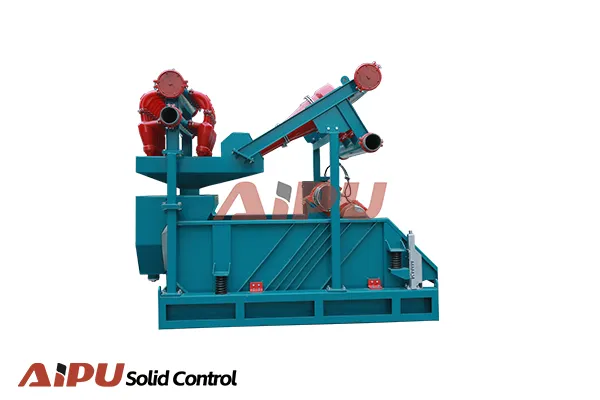
The solids control system is a critical component in modern drilling operations, playing a vital role in maintaining efficient and cost-effective drilling processes. Fundamentals of solids control in drilling encompass the principles, equipment, and techniques used to remove unwanted solids from drilling fluid, ensuring optimal performance and extending the life of drilling equipment.
Importance of Solids Control in Drilling Operations
Effective solids control is essential for several reasons. First, it helps maintain the proper properties of drilling fluid, which is crucial for cooling and lubricating the drill bit, carrying cuttings to the surface, and providing hydrostatic pressure to prevent formation fluids from entering the wellbore. Second, it reduces the need for fresh mud, lowering operational costs. Third, it minimizes environmental impact by reducing waste disposal requirements.
Without proper solids control, drilled solids accumulate in the mud system, leading to increased mud weight, abrasive wear on pumps and drill strings, poor rate of penetration, and potential issues like stuck pipe or lost circulation. These problems can significantly increase drilling time and costs, making solids control a fundamental aspect of successful drilling operations.
Key Components of a Solids Control System
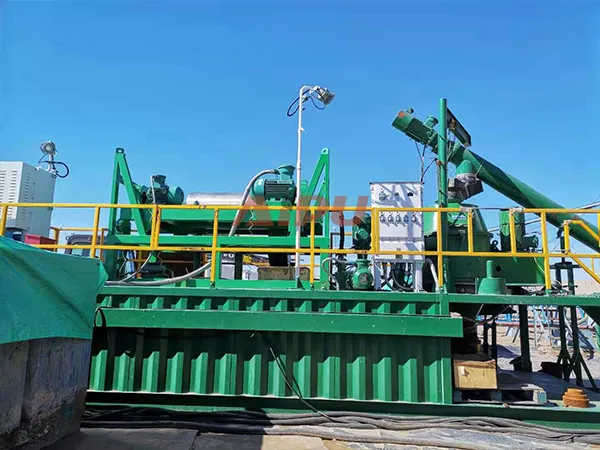
A comprehensive solids control system typically consists of several specialized pieces of equipment, each designed to remove solids of different sizes. The primary components include:
Shale Shakers: The first line of defense, shale shakers use vibrating screens to remove large, coarse solids from the drilling fluid. They are critical for protecting downstream equipment and reducing the load on subsequent separation stages.
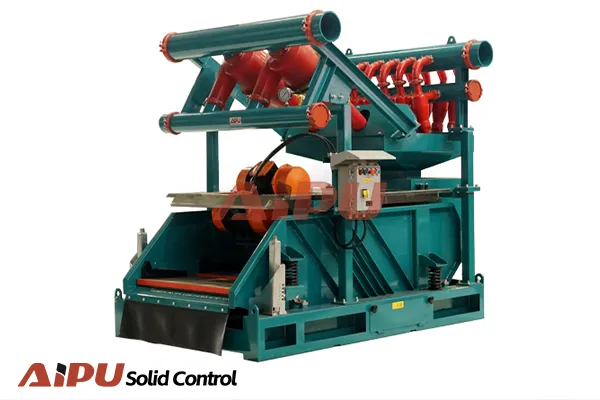
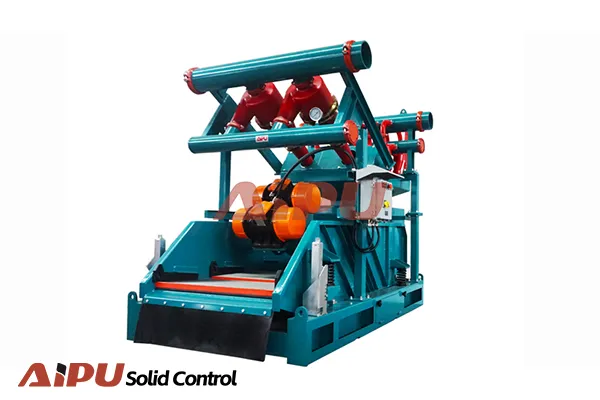
Mud Cleaners: Combining hydrocyclones and vibrating screens, mud cleaners remove intermediate-sized solids that pass through the shale shakers. They are particularly effective at removing particles in the 15-74 micron range.
Centrifuges: Using centrifugal force, these devices separate fine solids from the drilling fluid, typically removing particles smaller than 5 microns. They are essential for maintaining low-solids mud systems and meeting environmental regulations.
Working Principles of Solids Control
The solids control process follows a sequential approach, with each piece of equipment handling a specific size range of solids. The drilling fluid, or mud, returns to the surface carrying drilled cuttings. It first passes through the shale shakers, where large solids are removed. The partially cleaned mud then flows through mud cleaners, which remove intermediate-sized particles. Finally, centrifuges can be used to remove fine solids, ensuring the mud meets the required specifications.
For professional mud cleaning solutions, consider our high-performance mud cleaner designed for efficient solids removal.
Modern solids control systems, like those offered by Aipu Solids Control, incorporate advanced technologies to enhance performance and reduce environmental impact. These systems are designed to handle the demands of various drilling applications, from oil and gas exploration to geothermal drilling.