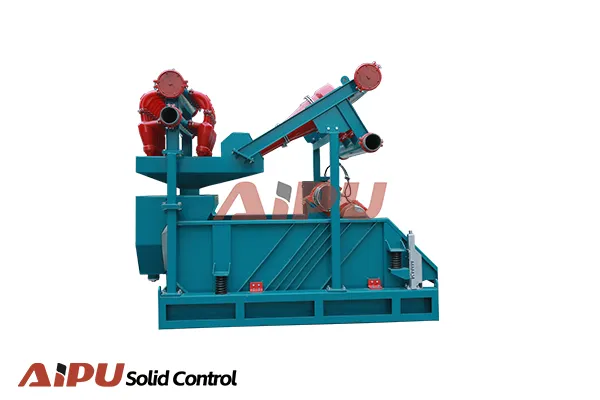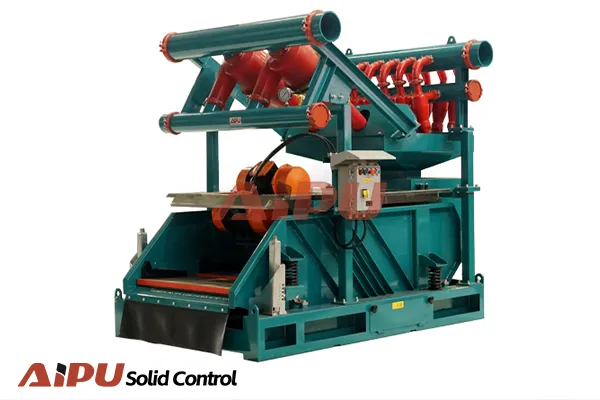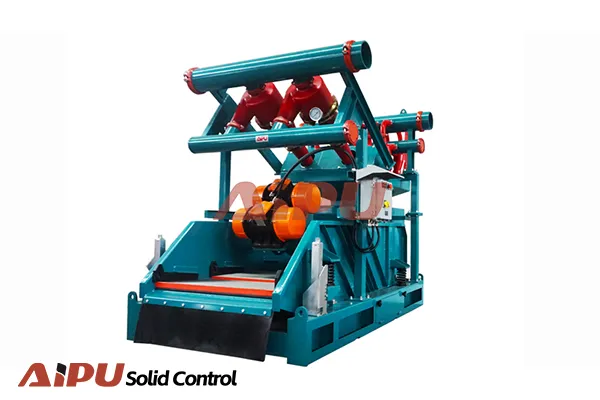
Mud cleaners play a critical role in modern drilling operations, serving as essential components in solids control systems. These specialized devices combine the functions of desanders, desilters, and vibrating screens to efficiently remove fine solids from drilling fluids. By effectively separating and removing undesirable particles, mud cleaners help maintain optimal drilling fluid properties, extend equipment life, and reduce overall drilling costs. In this comprehensive guide, we will explore the various aspects of mud cleaners, their working principles, components, applications, and maintenance requirements.
How Mud Cleaners Work
The working principle of a mud cleaner involves a multi-stage separation process that efficiently removes solids from drilling fluids. First, the drilling fluid enters the mud cleaner's hydrocyclones, where centrifugal force separates larger particles. The hydrocyclones, typically ranging from 4" to 10" in diameter for desanders and 2" or smaller for desilters, create a vortex that forces heavier particles to the walls and downward for discharge. The partially cleaned fluid then flows onto the vibrating screen, which further separates any remaining solids. The screen, usually a fine-mesh design, allows the clean fluid to pass through while retaining the separated solids. This combined approach ensures that both large and small particles are effectively removed from the drilling fluid.
Mud Cleaner Components and Structure
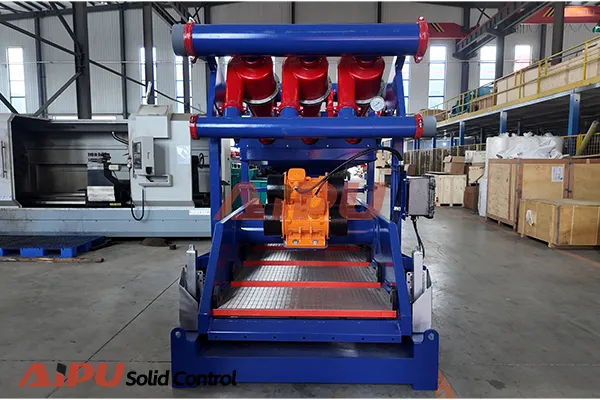
A typical mud cleaner consists of several key components that work together to achieve efficient solids removal. The main components include: hydrocyclones (desanders and desilters), a vibrating screen (often with multiple decks), a feed pump, a fluid distribution system, and a solids discharge mechanism. The hydrocyclones are responsible for the initial separation of solids based on their size and density. The vibrating screen, usually with a fine mesh, provides the final separation step. The feed pump ensures a consistent flow of drilling fluid through the system, while the distribution system evenly distributes the fluid across the hydrocyclones and screen surface.
Applications of Mud Cleaners in Drilling
Mud cleaners find applications in various drilling operations, including oil and gas exploration, geothermal drilling, and mineral exploration. They are particularly valuable in situations where maintaining drilling fluid properties is critical, such as in deepwater drilling, horizontal drilling, and extended reach wells. Mud cleaners are also essential in environmental drilling operations where fluid recycling and waste reduction are priorities. Additionally, they play a crucial role in synthetic-based and oil-based mud systems, where fluid costs are higher and efficient solids removal directly impacts project economics.
Maintenance and Optimization of Mud Cleaners
Proper maintenance of mud cleaners is essential to ensure optimal performance and longevity. Regular maintenance tasks include: inspecting and cleaning hydrocyclones to prevent plugging, replacing worn or damaged screen meshes, lubricating vibrating screen bearings, checking and adjusting feed pressure, and inspecting fluid distribution systems for leaks or blockages. It is also important to monitor separation efficiency regularly and make adjustments as needed. By following a consistent maintenance schedule, operators can minimize downtime, reduce repair costs, and ensure that the mud cleaner continues to perform at its best.
Advantages of Using Mud Cleaners
Mud cleaners offer several key advantages in drilling operations. They significantly improve drilling fluid quality by removing fine solids that can affect mud properties. This leads to better hole cleaning, reduced formation damage, and improved rate of penetration. Mud cleaners also extend the life of downstream equipment, such as centrifuges and mud pumps, by reducing the solids load they must handle. Additionally, they help reduce drilling fluid costs by minimizing the need for fresh makeup fluid and chemical additives. By efficiently removing solids, mud cleaners also contribute to environmental compliance by reducing waste disposal volumes and associated costs.
For professional mud cleaning solutions, consider our high-performance mud cleaner designed for efficient solids removal.
Conclusion
In conclusion, mud cleaners are indispensable components of modern solids control systems, providing efficient and cost-effective solids removal from drilling fluids. Their ability to combine hydrocyclone separation with vibrating screen technology makes them highly effective in removing both coarse and fine solids. By maintaining optimal drilling fluid properties, extending equipment life, and reducing overall drilling costs, mud cleaners play a critical role in the success of drilling operations. Whether used in onshore or offshore applications, for oil-based or water-based muds, mud cleaners continue to be essential tools for achieving efficient and environmentally responsible drilling practices.